Information
Tyres Legislation
All Winda Tyres sold in the UK have the EU Label, the product is continually subject to a rigorous and consistent Quality Control process.
Why Regulate Tyres? Tyres make an important contribution to road safety and to the environmental impact of road transport. However, all tyres do not offer the same performance.
The Regulation will enable consumers to make more informed choices when buying tyres. The EU's targeted outcome is that road safety will improve and that the environmental impact of road transport will be reduced.
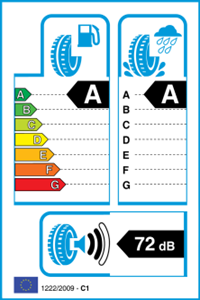
What Does The Regulation Introduce? Tyres will be graded according to wet grip, fuel efficiency and external noise. The presentation of this information will be based on the familiar EU energy efficiency label.
When Does The Regulation Come Into Force? Manufacturers and importers will have to provide information regarding the performance of tyres they supply in the EU that were manufactured from 1st July 2012
From 1st November 2012 retailers in the EU will have to provide consumers with information regarding the performance of tyres offered for sale that were manufactured from 1st July 2012 (Date of production code 2712 or greater)
What About Tyres Manufactured Before 1st July 2012? Operators throughout the supply chain will have to manage a transition period while stocks contain tyres made both before and after 1st July 2012
Some manufacturers or importers may choose to label tyres made before 1st July 2012 but the Regulation does not require them to do so
Retrospective labelling of tyres already in the supply chain that were made before 1st July 2012 would be costly and carries potential legal risks. The labelling information relating to tyres made from 1st July 2012 may not in every case be applicable to tyres made before that date
What Does The Label Mean In Practical Terms? Click on the graphics to the right to find out more information
(Note for car, 4x4 and van tyres: class D is not used so there are only 6 classes for Fuel efficiency. In addition, for Wet grip, class G is also not used so there are only 5 classes for Wet grip.
Tyre Labelling
Load Index and Speed Ratings
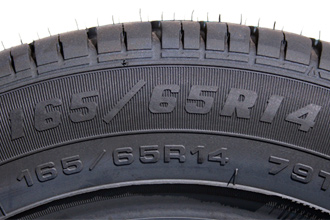
The majority of tyres carry coded markings on them, which correspond to their load carrying and maximum speed capabilities. For example: 91V 91= Index of maximum load carrying capacity per tyre, in this case equates to 615kg. V= Symbol which equates to a speed rating of 240km/h (approximately 149mph).
The load index is a numerical code, which corresponds to the maximum load a tyre can carry at the speed indicated by its speed symbol, under specific service conditions.
| Load Index | Kilograms | Load Index | Kilograms | Load Index | Kilograms |
|---|---|---|---|---|---|
| 65 | 290 | 80 | 450 | 95 | 690 |
| 66 | 300 | 81 | 462 | 96 | 710 |
| 67 | 307 | 82 | 475 | 97 | 730 |
| 68 | 315 | 83 | 487 | 98 | 750 |
| 69 | 325 | 84 | 500 | 99 | 775 |
| 70 | 335 | 85 | 515 | 100 | 800 |
| 71 | 345 | 86 | 530 | 101 | 825 |
| 72 | 355 | 87 | 545 | 102 | 850 |
| 73 | 365 | 88 | 560 | 103 | 875 |
| 74 | 375 | 89 | 580 | 104 | 900 |
| 75 | 387 | 90 | 600 | 105 | 925 |
| 76 | 400 | 91 | 615 | 106 | 950 |
| 77 | 412 | 92 | 630 | 107 | 975 |
| 78 | 425 | 93 | 650 | 108 | 1000 |
| 79 | 437 | 94 | 670 |
| Speed Symbol | Approx MPH | Approx KM/H |
|---|---|---|
| Q | 99 | 160 |
| R | 106 | 170 |
| S | 112 | 180 |
| T | 118 | 190 |
| H | 131 | 210 |
| V | 149 | 240 |
| VR | 131 | 210 |
| W | 168 | 270 |
| Y | 186 | 300 |
| ZR | 149 | 240 |
Tyre Sidewall
Tyre Pressure
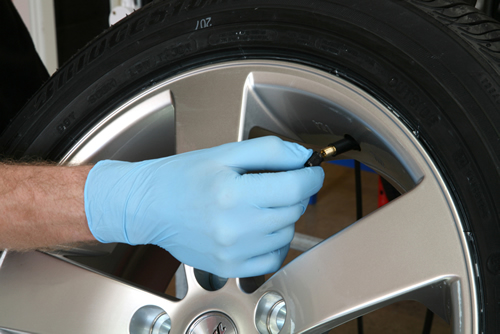
Correct tyre pressure can help to extend the life of your tyre, improve vehicle safety and maintain fuel efficiency. Pressure is measured by calculating the amount of air that has been pumped into the inner lining of your tyre in pounds force (PSI) or BAR pressure. The manufacturer of your vehicle specifies the suitable pressure, and it is your responsibility to make sure that the pressure is checked and corrected on a regular basis, at least every couple of weeks.
Maintaining correct Tyre Pressures.
There are three main reasons why maintaining the right tyre pressure is important. The first is safety. Tyres that are under inflated can overheat; and over inflated tyres can lead to poor vehicle handling on the road. The second reason is economy. Over or under inflated tyres suffer more damage than those with the correct pressure and need to be replaced more regularly. Vehicles with under-inflated tyres have increased rolling resistance that require more fuel to maintain the same speed.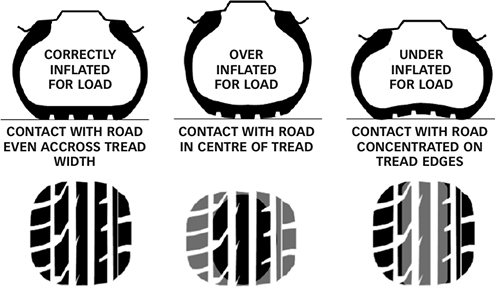
Tyre Pressure Check
Tyre Tread Depth
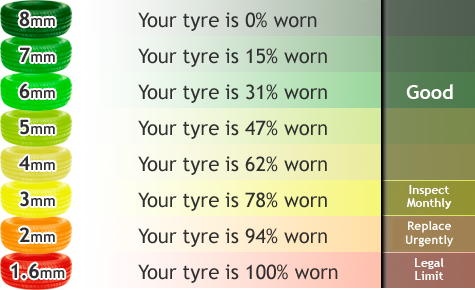
The legal limit for car tyre tread depth is 1.6mm (across 75% of the tyre). However, the deeper the tread the more grip you have. At eWinda.com we recommend that you replace your tyres when the tread is less than 3mm as the performance of the tyre will begin to reduce significantly.
Tyre Gauge
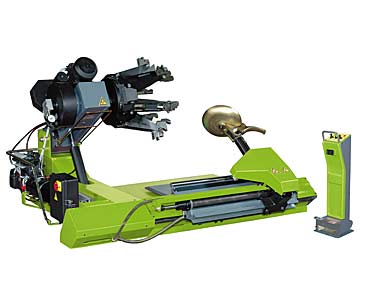
Truck Tyre Changer
Tyre Changer